WP5: AI in the Creative and Cultural Industries
This WP aims to generate new knowledge, inform policy and governance and promote responsible, equitable and future-oriented uses of AI in cultural contexts. It will do so by integrating perspectives from interdisciplinary research—including law, social sciences, the humanities and the arts, economics, informatics and technology studies, and sustainability research—together with insights from cultural institutions, rights organisations and other sector partners.
Description
AI is transforming the creative and cultural industries at a structural level in terms of reshaping how cultural content is produced, distributed, governed and experienced. These developments raise complex questions across legal, economic, artistic and socio-environmental domains: AI challenges established rights frameworks and introduces new risks related to identity misuse; shifts business models, labour practices and power balances; influences artistic agency and cultural diversity; and raises concerns related to safety such as dataset misuse and harmful output, cultural bias and environmental impact. At the same time, AI enables more transparent and efficient governance and rights management, improved attribution, new forms of audience engagements, new creative possibilities and more sustainable forms of innovation.
This work package examines these transformations across four interconnected areas: (1) law, rights and governance; (2) economy, industry and labour; (3) artistic practices and audience experiences; and (4) ethics, diversity and sustainability.
Research Questions
-
RQ5.1 (Law, Rights & Governance): How should legal, regulatory and governance frameworks evolve to address the use and impact of AI systems in the creative and cultural sectors, including their handling of human-created works, personal data, and identity-related materials?
-
RQ5.2 (Economy, Industry & Labour): How is AI transforming economic structures, business models, and labour dynamics in the creative industries, and what systems are needed to ensure fair value distribution and sustainable industry development?
-
RQ5.3 (Artistic Practices & Audience Experiences): How is AI reshaping artistic practices, cultural production workflows, curation and audience experiences at a systemic level, and how can cultural diversity, creativity and aesthetic integrity be safeguarded?
-
RQ5.4 (Ethics, Diversity & Sustainability): What ethical, environmental, safety and socio-cultural risks arise from the use of AI in the creative and cultural sectors, and how can responsible, equitable and sustainable AI practices be developed?
Approaches
-
Create new knowledge, practical guidelines, sustainability assessments and supportive frameworks that enable transparent, sustainable, equitable, and inclusive uses of AI within the creative and cultural sectors.
-
Explore how AI transforms legal, economic, creative, societal and environmental conditions through empirical, experimental and practice-based research.
-
Reflect critically on the governance, economic, artistic and socio-environmental implications of AI, including power dynamics, shifts in creative agency, cultural biases, safety risks and long-term sustainability issues.
Work Package Leaders

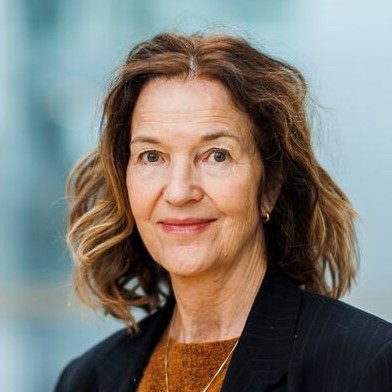
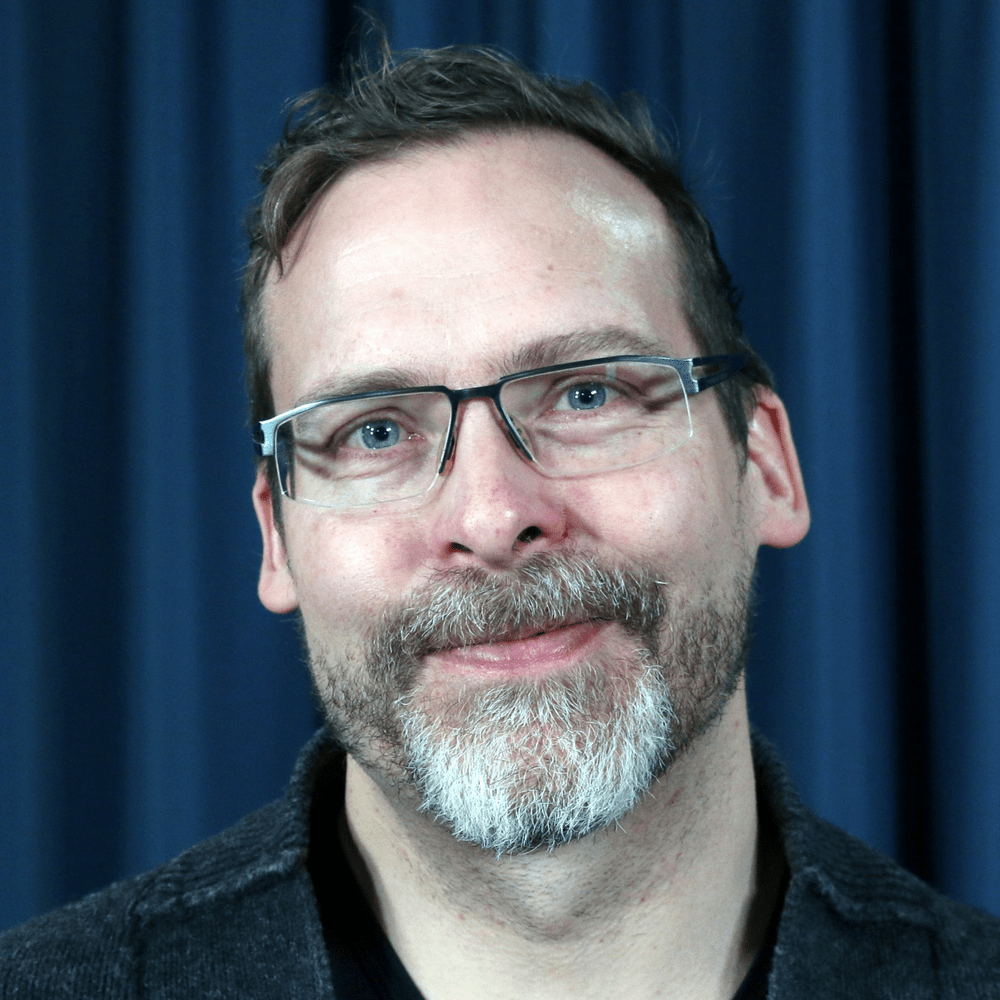
Members
- Aedan Soellaart
- Alexander Refsum Jensenius
- Ana Brotas
- Andreas Bergsland
- Andrew Perkis
- Arnulf Christian Mattes
- Audun Kvitland Røstad
- Bob L. T. Sturm
- Boris Eldagsen
- Bram van de Glind
- Budhaditya Chattopadhyay
- Cagri Erdem
- Carmen Gloria Pérez
- Carsten Griwodz
- Clemens Cavallin
- Daniel Nordgård
- Eirik Sørbø
- Elin Kanhov
- Erik Johannes Husom
- Eskil Muan Sæther
- Fredrik Graver
- Fábio Sabetta Morales
- Georgios Marentakis
- Hanne-Lovise Skartveit
- Henning Birkeland
- Håvard Vibeto
- Ida Jahr
- Ingrid Romarheim Haugen
- Ivar Grydeland
- Jacqueline Rowley
- Jana-Verena Gerhart
- Jannicke Johansen
- Jing Lin
- Kalliopi Plataniti
- Karan Choudhary
- Kari-Anne Lyng
- Kjetil Nordby
- Kyrre Glette
- Lars Rasch
- Lise Amy Hansen
- Luz Maria Sanchez-Cardona
- Lyuba Boncheva
- Maria Lokna
- Marie Dahlén
- Mathieu Lacroix
- Melissa Avdeeff
- Mette Nyseter
- Murtaza Mohiqi
- Natalia Mæhle
- Odd Torleiv Furnes
- Ola Lømo Ellingsen
- Ole Fredrik Norbye
- Ole Goethe
- Ole-Andreas Rognstad
- Olivier Lartillot
- Peter Edwards
- Philippe Pasquier
- Pierre Beauguitte
- Rasaq Olatunji Bello
- Richard Gjems
- Ruzbeh Smiley
- Sagar Sen
- Sascha Frühholz
- Sashidharan Komandur
- Shayan Dadman
- Shukun Tokas
- Sondre Knudsen
- Stefano Fasciani
- Synne Tollerud Bull
- Tejaswinee Kelkar
- Teresa Pelinski
- Terje Colbjørnsen
- Terje Gaustad
- Tor Martin Norvik
- Tord Nilsen
- Troels Linde
- Viggo Tellefsen Wivestad
- Vincenzo Madaghiele
- Zacharias Andreadakis
- Øystein Eugene Hermstad
MishMash Projects
- Artificial Intelligence and the Legal Protection of Personal Characteristics
- Copyright and Personality Rights in the AI Era
- Curating AI-driven Artistic Processes: WP2 Showcases
- Environmental Sustainability in MishMash
- Evaluation of Cultural Bias and Workflow in AI Music Generation
- Exploring Authentic Anonymity in Documentary Film through AI
- Music Archive of the Future: AI for Digital Composer Catalogues
- Musician Workshops and Concert with SCSCI (Synthesizer Control System for Co-Improvisation)
- Picturemarks
- The MishMash Website
- Tool for tools
- Trondheim Kreativ AI (TKAI)
- Workshop: Hybrid AI Film Production — New Workflows, Artistic Processes and Methods of Collaboration
News
Updates will be posted here as the work package develops.
Events
- MeshUp #18 – Copyright, Street Art and AI — 2026-06-18
- MeshUp #11 – Generative AI and Hyper-Abundance — 2026-04-23
- MeshUp #5 – Deepfake Deception and Human Resilience — 2026-02-26