WP2: AI in artistic processes
This WP focuses on AI systems used in producing works associated with the arts and creative industries, including visual arts, film, VR/XR, literature, performing arts, games, and music. Prompt-based, machine-learning systems are becoming normalised in many workflows, and practitioners and professionals are increasingly aware of their benefits and costs.
Description
Concerns include the effects of “outsourcing” creative work and decision-making to AI systems and the hegemonic cultural biases present in many commercial tools. Creativity shapes how communities see themselves and imagine new possibilities. When AI systems reinforce dominant cultural patterns and marginalised alternative perspectives, they risk narrowing public discourse, diminishing cultural diversity, and strengthening existing norms at the expense of exploration and innovation.
This raises critical questions about cultural agency: Who decides what stories are told, what images are seen, and what ideas shape our shared reality? This WP will explore new challenges in the creative process, challenging the concept of “neutrality” in AI systems and examining embedded biases. The goal is to ensure that creative tools contribute to more inclusive, diverse, and democratic cultural futures, balancing artistic control with machine dominance to preserve human aesthetic and artistic integrity.
Research Questions
- RQ2.1: How can artists integrate generative AI systems into their ideation and production processes while maintaining creative autonomy and avoiding the risk of machine-driven homogenisation?
- RQ2.2: What are cultural and ethical implications for artists and audiences when AI systems integrate into creative processes, and how can these be addressed to ensure diversity and originality?
- RQ2.3: How can artists and creative producers employ generative AI tools to push the boundaries of artistic expression while critically engaging with the biases embedded in these systems?
- RQ2.4: How can artistic exploration help expose limitations of current AI technologies and inspire the development of more inclusive, artist-centred tools that foster innovation and human agency?
Approaches
- CREATE: new AI-based artistic productions and tools that prioritise artist-centred workflows, enabling creative control and innovation across diverse fields.
- EXPLORE: existing AI tools to identify their potentials, limitations, and challenges, focusing on ethical and legal implications and cultural biases.
- REFLECT: on how the interplay between AI and human creativity exposes new insights into the act of creation, its impact on audiences, and the social impact of art on contemporary society.
Work Package Leaders
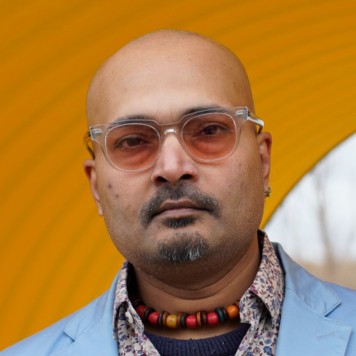
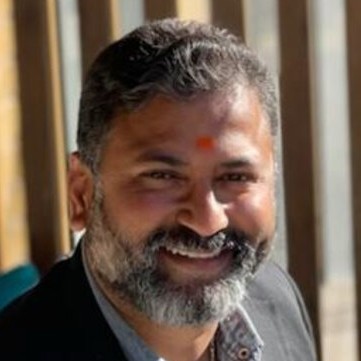
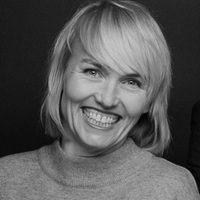
Members
- Adam Lewartowski
- Aedan Soellaart
- Alexander Refsum Jensenius
- Ali Ramezani-Kebrya
- Andrew Perkis
- Anna-Maria Christodoulou
- Arnulf Christian Mattes
- Arthur Jinyue Guo
- Benedikte Wallace
- Bjørn Tallak Bakken
- Bob L. T. Sturm
- Boris Eldagsen
- Cagri Erdem
- Carmen Gloria Pérez
- Carsten Griwodz
- Christian Blom
- Christian Guckelsberger
- Daniel Nordgård
- Daniel Peter Biro
- David Meredith
- David Rych
- Diego Marin Bucio
- Eirik Sørbø
- Eivind Røssaak
- Eldar Skjørten
- Elin Kanhov
- Enrique Encinas
- Eskil Muan Sæther
- Frank Ekeberg
- Frans Jacobi
- Fredrik Graver
- Gabriele de Seta
- Hanne Maren Meldahl
- Hanne-Lovise Skartveit
- Hans Kristian Strandstuen Rustad
- Henning Birkeland
- Håvard Vibeto
- Ida Jahr
- Ingerine Dahl
- Ingrid Romarheim Haugen
- Irina Eidsvold
- Ivar Grydeland
- Jacqueline Rowley
- Jana-Verena Gerhart
- Jane Sverdrupsen
- Jannicke Johansen
- Jens Nyland
- Jon Marius Aareskjold-Drecker
- Jonas Karlsen Åstrøm
- Jostein Gundersen
- Juan Vassallo
- Kai Olav Ellefsen
- Kalliopi Nikolou
- Karolina Finc
- Karthik Shivashankar
- Kjetil Nordby
- Kyrre Glette
- Lars Rasch
- Lise Amy Hansen
- Luciano Azzigotti
- Luz Maria Sanchez-Cardona
- Marie Dahlén
- Mathieu Lacroix
- Matthew Landers
- Melissa Avdeeff
- Mette Nyseter
- Morten H. Forsberg
- Nicola Leonard Hein
- Ola Lømo Ellingsen
- Ole Aamot
- Ole Christian Solbakken
- Ole Christoffer Haga
- Ole Fredrik Norbye
- Ole Goethe
- Olivier Lartillot
- Pedro Lind
- Peter Edwards
- Philippe Pasquier
- Pierre Beauguitte
- Rasaq Olatunji Bello
- Rujeena Mathema
- Ruzbeh Smiley
- Shayan Dadman
- Sidsel Karlsen
- Sigbjørn Galåen
- Sigmund Trageton
- Stefano Fasciani
- Stephanie von Spreter
- Stylianos Dimou
- Susanne Østby Sæther
- Tejaswinee Kelkar
- Teresa Pelinski
- Terje Gaustad
- Tine Grieg Viig
- Tiril Schrøder
- Tonje Louise Finne
- Troels Linde
- Trond Lossius
- Victoria Johnson
- Viggo Tellefsen Wivestad
- Vincenzo Madaghiele
- Zacharias Andreadakis
- Zoi Efstathiou
- Øyvind Brandtsegg
MishMash Projects
- AI as Environment
- AI-Assisted Film Production through Vita Vigeland
- Agency and Control in Musical Ensemble
- Bingo - AI-Assisted Animation for Documentary Film
- Creative AI at Voldsløkka
- Curating AI-driven Artistic Processes: WP2 Showcases
- Digital Twins of Textile Heritage: Impermanence and Touch through AI at The Historical Collection
- Exploring Authentic Anonymity in Documentary Film through AI
- Madelaines (working title)
- Making Movement Matter
- Music Archive of the Future: AI for Digital Composer Catalogues
- Musician Workshops and Concert with SCSCI (Synthesizer Control System for Co-Improvisation)
- The MishMash Website
- Tool for tools
- Workshop: Hybrid AI Film Production — New Workflows, Artistic Processes and Methods of Collaboration
News
Updates will be posted here as the work package develops.
Events
- MeshUp #16 – AI and the Material Footprint of Cultural Heritage — 2026-06-04
- MeshUp #9 – Visual Literacy in AI Information Ecologies — 2026-03-26
- MeshUp #2 – Prompting as Algorithmic Folklore — 2026-02-05